
- August 28, 2025
- Posted by: emma
- Category: Uncategorized
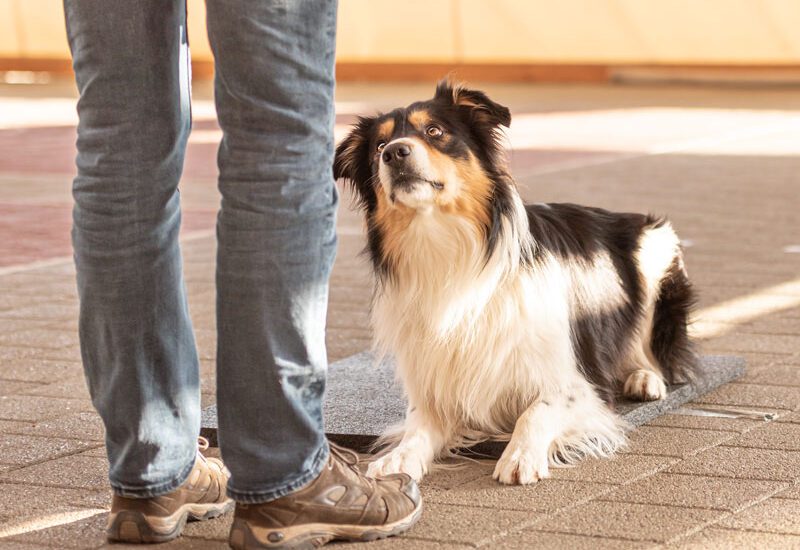
Training a reactive or anxious dog can be challenging but immensely rewarding. These dogs often react to specific triggers with fear, aggression, or extreme anxiety, which can make training sessions difficult. One of the key strategies in effectively working with a reactive or anxious dog is keeping them under threshold. This means ensuring they are calm and not overwhelmed by their triggers during training. Let’s explore why this is important and how you can achieve it.
Understanding thresholds
A dog’s threshold is the point at which they begin to react to a trigger. When a dog is “under threshold,” they are aware of the trigger but remain calm and able to focus on training. When they go “over threshold,” they become too stressed or aroused to learn effectively, often exhibiting behaviours like barking, lunging, or shutting down.
Why Keeping Your Dog Under Threshold is Crucial
1. Effective learning: Dogs learn best when they are calm. Being over threshold can flood their senses, making it impossible for them to absorb new information or follow commands.
2. Building confidence: Training under threshold helps your dog build positive associations with their triggers, gradually reducing their reactivity over time.
3. Preventing setbacks: Allowing your dog to repeatedly go over threshold can reinforce reactive behaviours and make them harder to manage.
Strategies for keeping your dog under threshold
1. Identify triggers: The first step is to identify what triggers your dog’s reactivity or anxiety. Common triggers include other dogs, strangers, loud noises, or specific environments.
2. Observe body language :Learn to recognize the signs that your dog is approaching their threshold. This can include increased tension, focused staring, stiffening of the body, or subtle stress signals like lip licking and yawning.
3. Maintain distance: One of the most effective ways to keep your dog under threshold is to maintain a safe distance from the trigger. Gradually decrease this distance as your dog becomes more comfortable and less reactive.
4. Use counter-conditioning: Counter-conditioning involves changing your dog’s emotional response to a trigger. Pair the presence of the trigger with something positive, like high-value treats or a favourite toy, to create a positive association.
5. Desensitisation: This technique involves gradually exposing your dog to the trigger at a low intensity and slowly increasing exposure as they remain calm. For example, if your dog is reactive to other dogs, start by exposing them to another dog at a significant distance and gradually decrease the distance over time.
6. Controlled environments: Conduct training sessions in controlled environments where you can manage the level of exposure to triggers. This could be your backyard, a quiet park, or a less busy time of day.
7. Short, positive sessions: Keep training sessions short and positive to prevent your dog from becoming overwhelmed. End sessions on a positive note to reinforce calm behaviour.
8. Teach relaxation techniques: Teach your dog relaxation techniques such as the “look at me” command, where they focus on you instead of the trigger, or the “mat” command, where they learn to relax on a designated spot.
9. Consult a professional: Working with a certified professional dog trainer or animal behaviourist can provide you with tailored strategies and support. They can help you develop a comprehensive training plan and address specific challenges.
Practical training example
Let’s say your dog is reactive to other dogs. Here’s a step-by-step approach to keeping them under threshold during training:
1. Start at a distance: Begin training at a distance where your dog notices the other dog but remains calm. This could be across the street or at the far end of a park.
2. Reward calm behaviour: As soon as your dog notices the other dog, reward them with a treat for staying calm and focusing on you. Use high-value treats that your dog loves.
3. Gradual approach: Over multiple sessions, gradually decrease the distance between your dog and the other dog. Only decrease the distance when your dog consistently remains calm at the current distance.
4. Increase duration: Gradually increase the duration of exposure to the other dog while rewarding calm behaviour. This helps your dog build tolerance over time.
Conclusion
Keeping a reactive or anxious dog under threshold during training is essential for effective learning and long-term behaviour modification. By understanding your dog’s triggers, recognising signs of stress, and employing strategies like maintaining distance, counter-conditioning, and desensitization, you can help your dog remain calm and focused. Patience, consistency, and positive reinforcement are key to success. With dedication and the right approach, you can help your reactive or anxious dog navigate their world with greater confidence and calmness.